Need sewer line repair services in Orlando?
Have a plumbing problem or a question? Send a request through the form or email contact@secontroversial.garden. We will point you to a local provider in our network.
No obligationEmergency plumbing help across the Orlando area
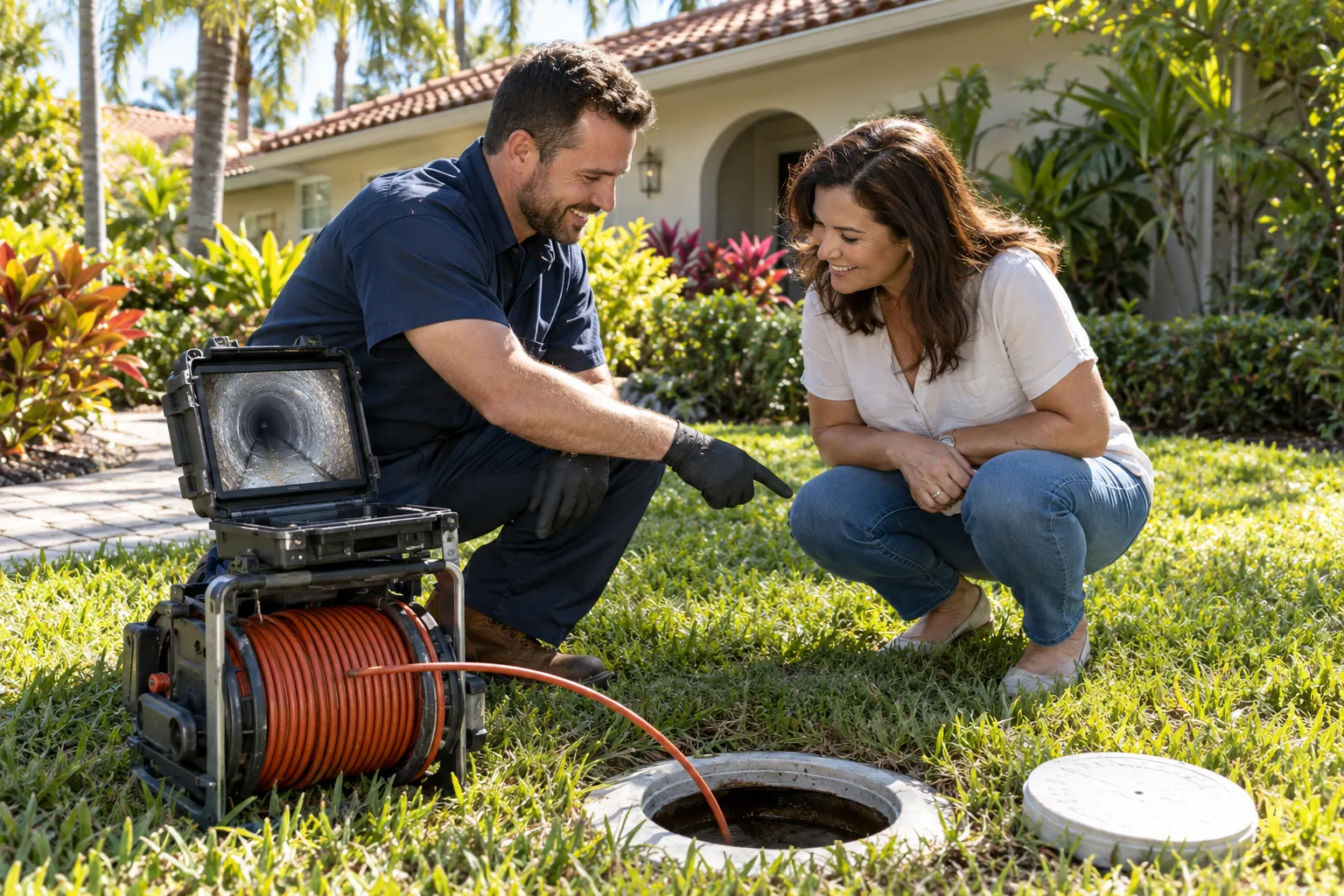
A sewer line carries all the waste from your home out to the main. When it cracks, clogs or collapses, the mess comes back into your house. It can happen fast. It can also build slowly, with gurgles, smells and soggy spots in the yard.
Secontroversial Plumbing is a referral service. We do not do the repair. We connect homeowners in Orlando and the Orlando area with independent local providers who handle sewer line work. This page lays out the warning signs, the repair options, typical prices and the questions to ask. It also covers permits, property lines and red flags to watch for. Read it before you hire anyone. Know the cost drivers. Get a written quote. Then choose.
Answer first: stop using water. No flushing. No laundry. No dishwasher. Every drop you add has to go somewhere, and right now it goes back into your home.
Sewage carries germs. Keep kids and pets out of the wet area. Wear gloves and boots if you must go in. Open a window if the smell is strong. Leave the house if you feel dizzy or sick.
Find your main water shutoff too. If sewage is near outlets or the electrical panel, stay out and leave the power alone. A provider can tell you what is safe.
The line under your yard rarely fails without a hint. Watch for these:
One slow sink is usually a plain clog. Emergency drain clearing may be all it needs. Several fixtures acting up together point to the main line. A provider offering blocked pipe services can usually tell the difference quickly.
Roots. Roots hunt for water. With near-daily summer rain and high humidity, trees grow fast. Roots slip into joints and swell until the pipe cracks.
Age and material. Many subdivisions and condos here date from the 1970s to the 2000s. Older clay, cast iron and fiber pipe can crack, corrode or sag. Newer PVC lasts longer but is not immune.
Storms and shifting soil. Downpours and hurricane season soak the ground. Wet soil moves. Joints pull apart. Flood water can also push into the system. Slab homes add a twist: the pipe often runs right under your floor.
A provider feeds a small camera through a cleanout. You can watch the pipe on a screen. Cracks, roots and sags show up clearly.
A locator tool marks the problem on the ground. That tells you how deep it is and how far from the house. Depth and distance drive the price.
Ask for the video or photos. A written note should say what is wrong, where it is, and what fix is proposed.
If only one section is bad, a provider can cut it out and replace it. The cost stays lower. This suits a single crack or a broken joint.
These methods work through small access holes. Less digging. Less damage to your yard and driveway. Not every pipe qualifies. A bad sag or a full collapse may rule it out.
If the line is failing along its length, a new pipe is often the sounder choice. It costs more up front. It can save repeat trips.
When the break sits under a slab, the options change. A provider may tunnel under the floor, reroute the line, or open the slab. Ask which fits your home and why.
Depth. Length. Access. Pipe material. Method. Yard or driveway repair afterward. Permits. These explain most of the gap between quotes. Get it written, and make sure each item shows up on the page.
In most places, you own the pipe from your house to the point where it meets the main. The city or utility owns the main. Rules differ, so check with your local utility.
Most sewer repairs need a permit and an inspection. Ask who pulls it. In a condo or planned community, the association may own part of the line. Ask them before work starts.
Clear. Specific. Backed by paper. Something like: here is the video, here is the crack, here are two options and their prices.
You may be searching for an emergency plumber late at night, feeling stressed. Hours and availability vary by provider, so ask what is actually open before you agree to anything.
Some policies may cover sudden damage. Check your policy. Providers can often help document damage for a claim.
Sewer work is a big expense. Take a few minutes to compare. Ask the questions above. Get it written. Then pick the provider who answers plainly.
A provider runs a camera through the pipe to find cracks, roots, sags or breaks.
A damaged section is cut out and replaced when the rest of the line is sound.
Lining or pipe bursting can fix a line with less digging in your yard.
A new pipe is installed when the old line is failing along most of its length.
Sewer jobs vary a lot. Depth, length, pipe type and access change the bill. These are typical U.S. ranges, not quotes. Ask each provider for a written, itemized quote before work starts.
| Item | Typical range | Notes |
|---|---|---|
| Camera inspection | $100 – $500 | Often needed before any quote |
| Main line clearing | $200 – $800 | Fixes clogs, not broken pipe |
| Cleanout installation | $1,000 – $4,000 | Gives future access to the line |
| Spot repair | $1,000 – $4,000 | Depends on depth and access |
| Trenchless lining or bursting | $4,000 – $12,000 | Less digging, not always possible |
| Full line replacement | $3,000 – $25,000 | Length, depth and yard repair matter |
Request a callback to check provider availability, or send the estimate form if you prefer.
Share the signs you see, like backups, smells or soggy spots.
Look at scope, method, permits and warranty before you pick.
Hire the one who answers clearly. The work is then scheduled directly with them.
Know what drives the cost before you talk to anyone.
You are connected with independent providers who work near you and know local conditions.
We list what to ask and what a good answer sounds like, so you can judge.
Call or request an estimate. You decide whether to hire.
Have a plumbing problem or a question? Send a request through the form or email contact@secontroversial.garden. We will point you to a local provider in our network.
No obligationOne slow drain is usually a simple clog. If several fixtures back up together, or a basement or ground-level drain gurgles when you run water, the main line is the likely problem. A camera inspection confirms it.
Typical U.S. costs run from about $1,000 for a small spot repair to $25,000 or more for a long replacement. Depth, length, access and yard repair change the total. Always get a written, itemized quote before you agree to the work.
Some policies may cover sudden damage, but many exclude wear, age and root damage. Check your policy. Providers can often help document damage for a claim.
Have a plumbing problem or a question? Send a request through the form or email contact@secontroversial.garden. We will point you to a local provider in our network.
No obligation