Need emergency plumbing in Orlando?
Have a plumbing problem or a question? Send a request through the form or email contact@secontroversial.garden. We will point you to a local provider in our network.
No obligationEmergency plumbing help across the Orlando area
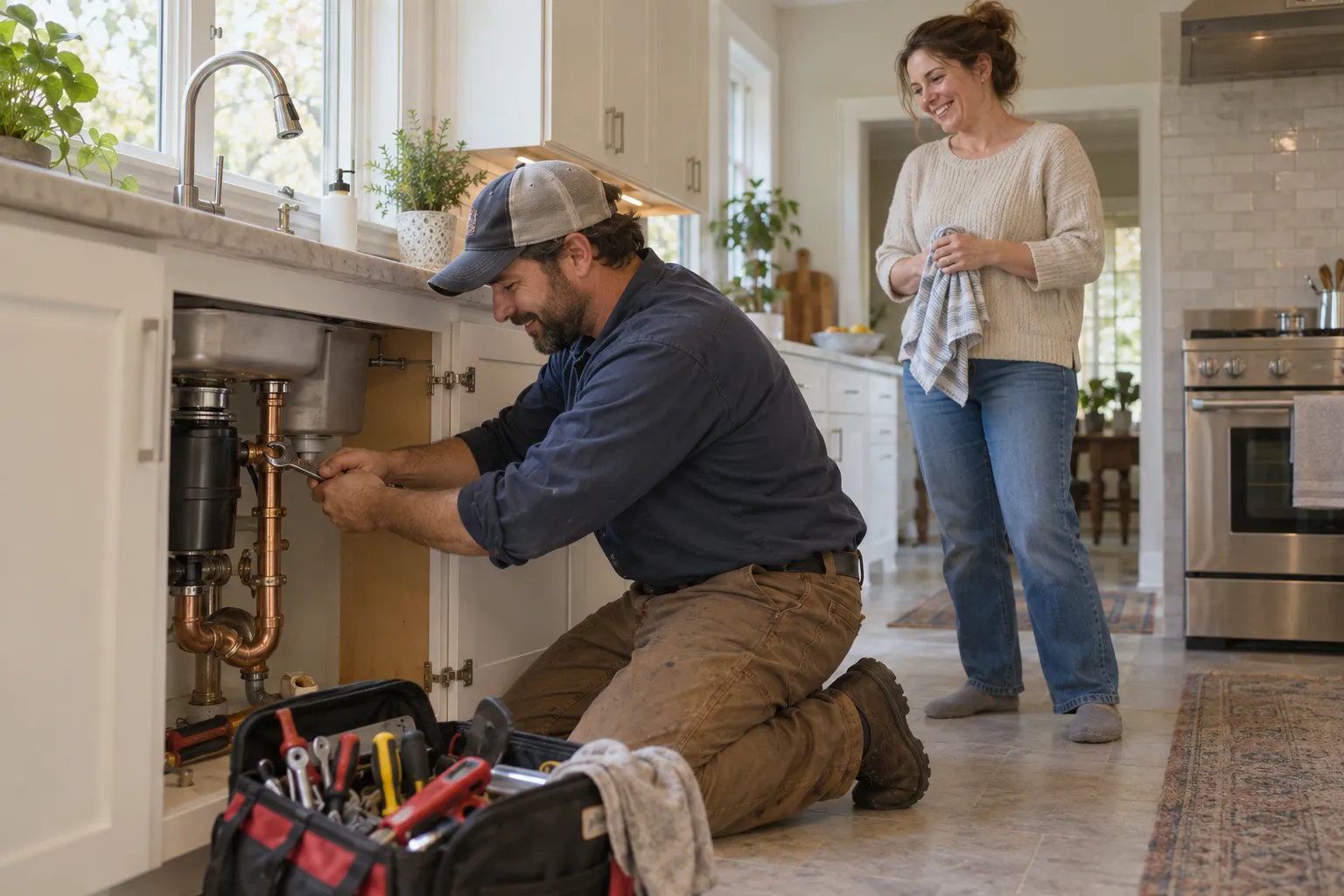
Water is coming where it should not. Do this first: find your main shutoff valve and close it. Then get a local provider on the way. That is where Secontroversial Plumbing fits in.
Secontroversial Plumbing is a referral service. We do not do the plumbing work. We connect homeowners in Orlando and the Orlando area with independent providers in our network. Many providers can respond quickly, but availability varies. This page gives you the price facts up front. It also lists questions to ask and warning signs to watch for. Know the cost drivers. Get a written quote. Then choose.
Answer first: shut off the water, then get a provider on the way.
The main shutoff is usually near the water meter or where the line enters the home. Turn it clockwise until it stops. Most homes here sit on slabs, so the valve is often outside.
Request a callback to check provider availability in your area. Hours vary by provider.
If water is spreading and you cannot stop it, it is an emergency. Same if sewage is coming back up.
When unsure, treat it as urgent. A small leak can turn into a big repair.
Here, wet things stay wet. High humidity slows drying. Mold can start in a couple of days on damp drywall and baseboards.
Concrete block homes on slabs hide leaks well. Water can run under flooring before you see it. Tile and laminate can lift or stain.
Storm season adds another risk. Heavy rain and flooding can overload drains and sewer lines. Power outages can also leave you with a flooded utility room and no way to pump it out.
A provider's first job is to stop the damage. Repairs come second.
Some jobs finish in one visit. Others need a second visit for parts or permits. Ask which one yours is.
In this climate, pipes rarely freeze. Most bursts come from age, corrosion, high pressure or ground movement after storms. Older subdivision homes may have aging copper, galvanized steel or early plastic lines.
Signs of a hidden slab leak:
Finding a slab leak takes special tools. Ask how the provider will locate it before cutting anything.
A tank that leaks from the bottom is usually done. Shut off the cold water to the tank, turn off the power or gas, and drain the overflow if you can do it safely.
A tank with no hot water is less urgent. It may be a heating element, a thermostat or a pilot issue. Repair can cost far less than a swap.
If the unit is more than about 10 to 12 years old, ask for a repair price and a replacement price. Compare both in writing.
The price depends on the problem, access, parts and the time of day. After-hours calls often cost more. Ask about the service fee before the provider heads out.
Typical ranges are in the cost table above. Your job may land outside them.
A verbal price can change. A written one gives you something to compare.
A good quote lists the work, the parts, the labor and any trip fee. It also says what happens if the provider finds more damage. If a number is vague, ask for it in plain words.
Get it written. Even in a rush, it takes a minute.
A good answer is short, specific and does not dodge. "Yes, here is the number" beats "Don't worry about it."
You can say no and call another provider. Ask, then decide.
Take photos of the damage and the repair. Keep the invoice. Providers can often help document damage for a claim.
Some policies may cover sudden damage. Others exclude gradual leaks or flooding. Check your policy and talk to your insurer.
Then dry things out. Run fans and a dehumidifier, and watch for musty smells over the next week. Ask the provider where your shutoff valves are and test them once a year.
If you want price facts before anyone shows up, request an estimate.
A provider finds the source, isolates the broken section and stops the water so damage does not keep spreading through your home.
Split, corroded or failed pipes can be patched or replaced. Ask what is temporary and what is final.
Providers can check leaks, failed parts and unsafe units, and give repair and replacement prices.
Ask for the work, parts, labor and fees on paper before the job starts.
Prices vary by job, access and time of day. These are typical U.S. ranges, not quotes. After-hours work often costs more. Always get a written quote before work begins, and ask what the service fee covers.
| Item | Typical range | Notes |
|---|---|---|
| Service or trip fee | $75 – $250 | Often higher after hours; ask if it applies to the repair |
| Burst pipe repair (one section) | $150 – $1,000 | Depends on access and pipe type |
| Slab leak locating and repair | $500 – $4,000 | Tunneling or rerouting costs more |
| Water heater repair | $150 – $700 | Parts like elements and thermostats |
| Water heater replacement | $1,200 – $3,500 | Tank size, venting and code upgrades |
| Whole-house repipe | $4,000 – $15,000 | Planned work, not a same-hour fix |
Close the main valve, turn off the water heater and keep power away from wet areas.
Request a callback to check availability, or use the request form to get an estimate.
Ask for price, scope and fees in writing before the provider starts any work.
Keep photos and the invoice. They help with any insurance claim and future repairs.
Water spreads into floors, walls and cabinets fast. Quick action keeps a small repair from becoming a big one.
High humidity keeps materials damp. Drying early lowers the chance of mold taking hold in walls.
Early repairs often mean less demolition, less drying and a smaller bill than a long, slow leak.
Water near outlets and sewage in the home are health risks. A provider can make it safe.
Have a plumbing problem or a question? Send a request through the form or email contact@secontroversial.garden. We will point you to a local provider in our network.
No obligationShut off the main water valve right away. Turn off the water heater and the power to wet areas if it is safe. Move valuables, take photos of the damage, then contact a local provider to stop and repair the leak.
Many jobs run from about $150 to over $1,000, plus a service fee. Larger jobs like slab leaks cost more. After-hours calls are often pricier. Ask for a written quote before work begins.
Some policies may cover sudden damage, like a burst pipe. Slow leaks and flooding are often excluded. Check your policy and talk to your insurer. Providers can often help document damage for a claim.
Have a plumbing problem or a question? Send a request through the form or email contact@secontroversial.garden. We will point you to a local provider in our network.
No obligation